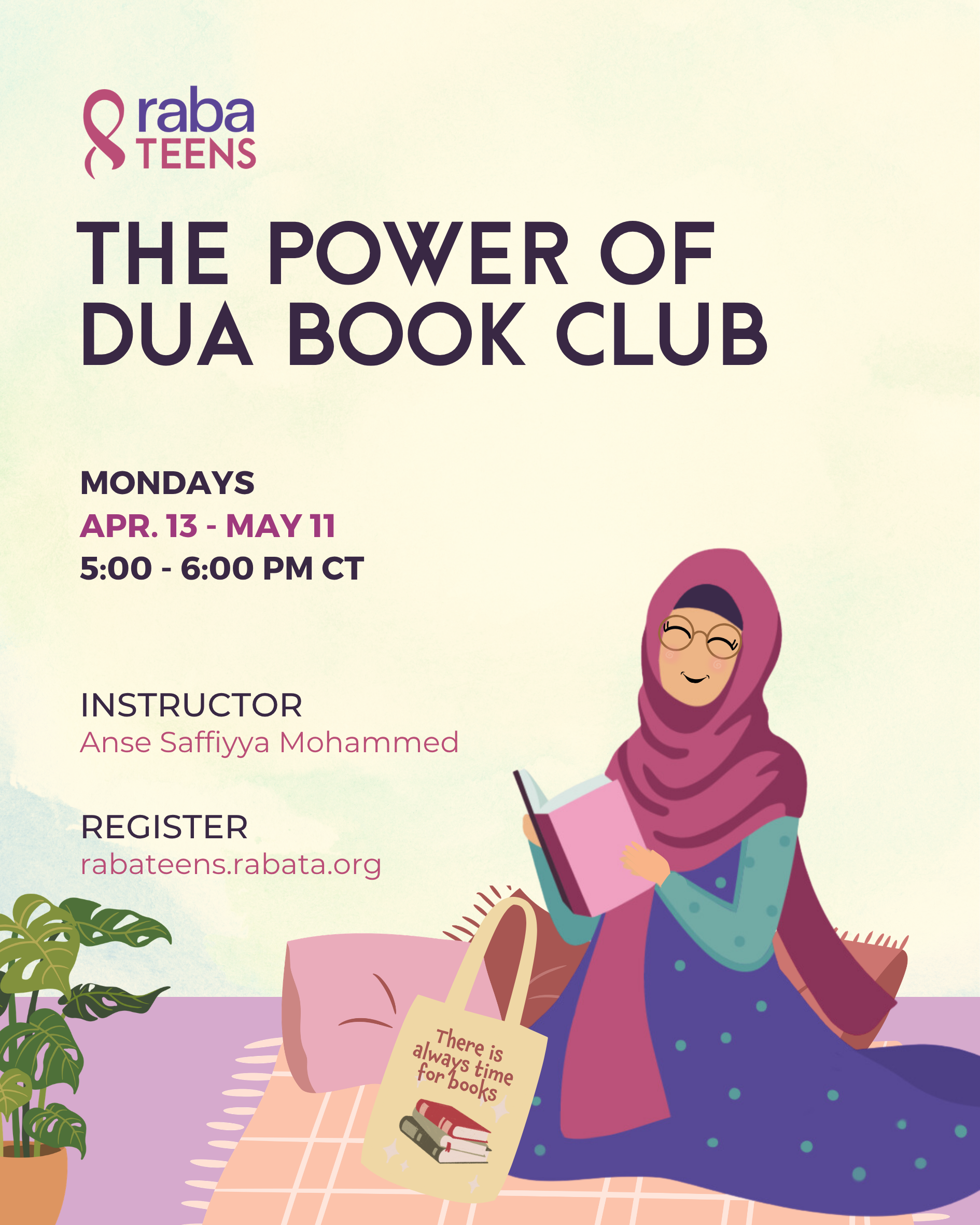
The Power of Dua Book Club
Spring 2026
RabaTEENS is a nurturing space for deep and meaningful Islamic spiritual mentorship with compassionate and caring mentors. We design fun, creative, and positive educational experiences to help teens grow confidently and comfortably into their faith.
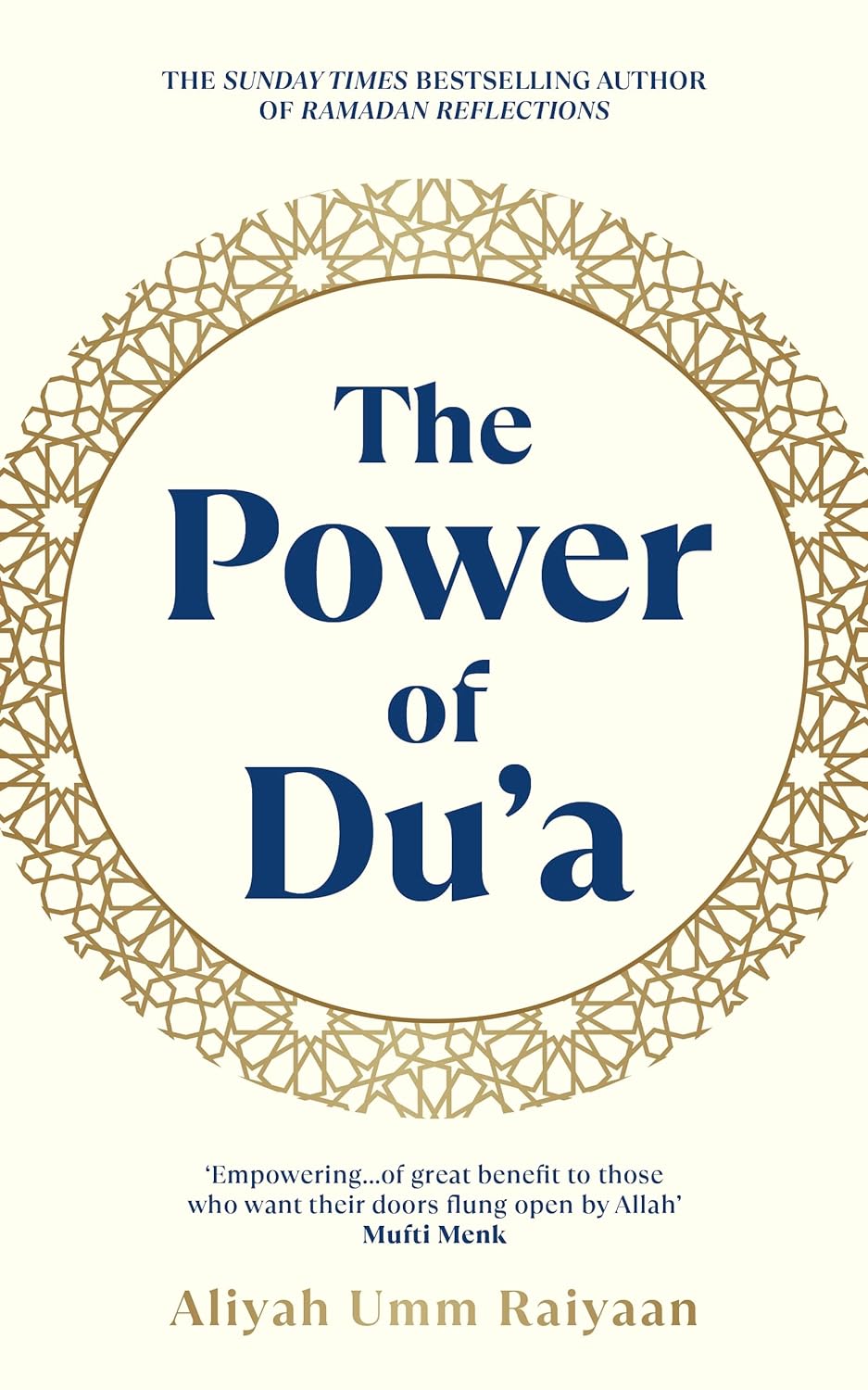
Duas can change lives. Just as the duas of the Prophets, made in times of need and distress, and in moments of gratitude and seeking forgiveness, were answered, so too can your dua be answered. The stories behind these duas, and the duas themselves, serve as reminders of who Allah ﷻ is, the One who grants relief, the One who provides, and the One who protects. Oftentimes, our duas can feel routine, repeated without presence, and lacking the true spirit of what they are, the weapon of the believer.
Through these five weeks, students will reexamine their personal relationship with dua, from understanding the 99 Names of Allah ﷻ, to learning the etiquettes of dua, to rediscovering how to make dua with presence and sincerity. The course will conclude with each student creating her own daily dua plan as part of her ibada routine.
Together, we will explore the five Ws of dua: who we are asking, what we are asking, when and where we can ask, and why we ask.
Week 1: What is Dua
In our first session, we will build a foundation by answering key questions and addressing common misconceptions about dua. Using stories from the recommended book alongside personal reflections, students will explore how cultural perspectives may shape or limit their understanding of the power of dua.
Week 2: Who Are We Asking and Why We Ask
This week, we will reflect on who we are asking when we make dua and why we turn to Allah ﷻ. By exploring the 99 Names of Allah ﷻ, students will deepen their understanding of His attributes and strengthen their personal connection with Him.
Week 3: Where and When of Dua
This week, we will explore when and where we can make dua, both outwardly and inwardly. Students will reflect on their internal state when calling upon Allah ﷻ and consider questions such as sincerity, presence, and trust in acceptance. We will also discuss the etiquettes of dua, including special times when duas are more likely to be accepted and the importance of consistency in turning to Allah ﷻ.
Week 4: How to Ask
This week, we will explore whether there is a correct way to make dua and learn the etiquettes and steps that beautify it. Students will learn to begin with praising Allah ﷻ, using His Names, sending salawat upon the Prophet ﷺ, and seeking forgiveness. Examples from the recommended book will guide reflection and discussion.
Week 5: What’s Your Dua Plan?
In our final session, students will create a personal dua plan, especially in preparation for Dhul-Hijja. We will discuss how to remain consistent in making dua and how to continue strengthening one’s connection with Allah ﷻ. Students will also reflect on the three ways dua is answered, yes, delay, or something better, and what each means for their faith. We will explore additional acts of ibada that support dua, such as dhikr, istighfar, and good deeds, and reflect on Prophetic duas to carry into Dhul-Hijja and beyond.
Pen and paper, writing and drawing tools
Mondays, 5:00 - 6:00 PM Central Time
Session dates: April 13 - May 11
Students must attend Zoom live sessions. Classes are NOT recorded.
*Enrollment into the RabaTEENS program is on a per-student basis. If two (or more) students are planning to attend a class together by sharing a screen, each student will need to enroll for class individually.
**RabaTEENS programs are for girls aged 12-17 ONLY. Students are required to be 12 already in order to join any of RabaTEENS programs.
Certificates of participation are available upon request.
No refunds are issued once the session begins.
Meets once a week for one hour (5-week session)
Regular price